What Are Rotary Lobe Pumps Used For? Complete Guide to Industrial Applications
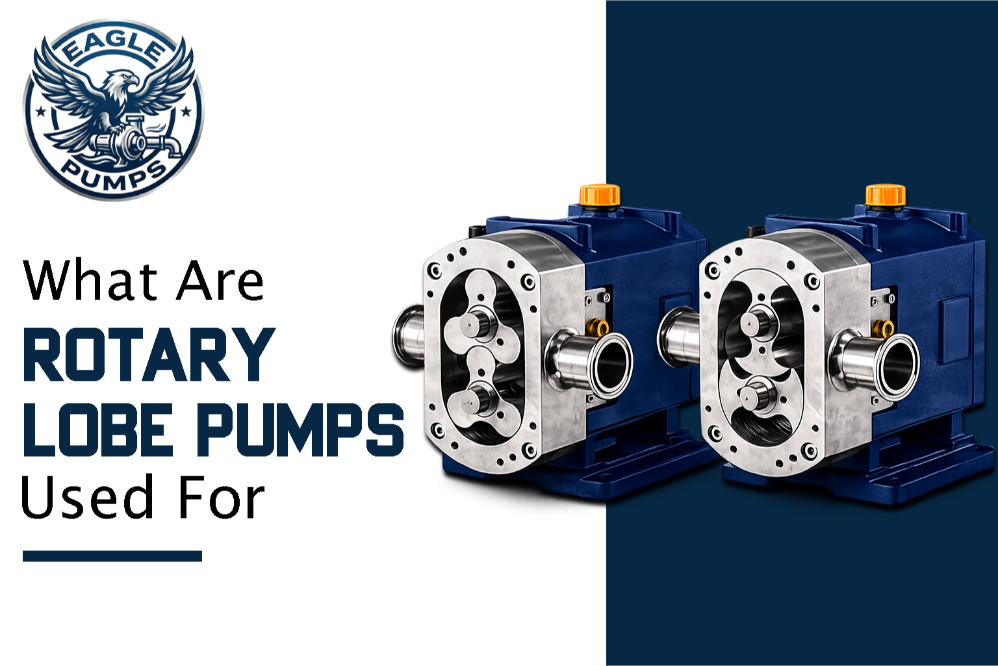
Rotary lobe pumps are used in industries that require hygienic, gentle, and reliable fluid transfer. Their positive displacement design allows them to handle everything from low-viscosity liquids to highly viscous, shear-sensitive, and particle-containing products without compromising product quality.
If you're evaluating industrial Rotary Lobe Pumps for food processing, dairy, pharmaceutical, cosmetic, or chemical applications, comparing the right pump design and specifications is essential for achieving reliable long-term performance.
Unlike general-purpose pumps, rotary lobe pumps are engineered for applications where cleanliness, product integrity, and consistent flow are critical. Their ability to support Clean-in-Place (CIP) and Sterilize-in-Place (SIP) systems makes them a preferred choice across modern hygienic processing industries.
This guide explores where rotary lobe pumps are commonly used, why different industries rely on them, and how to determine whether they're the right solution for your specific application.
Where Are Rotary Lobe Pumps Commonly Used?
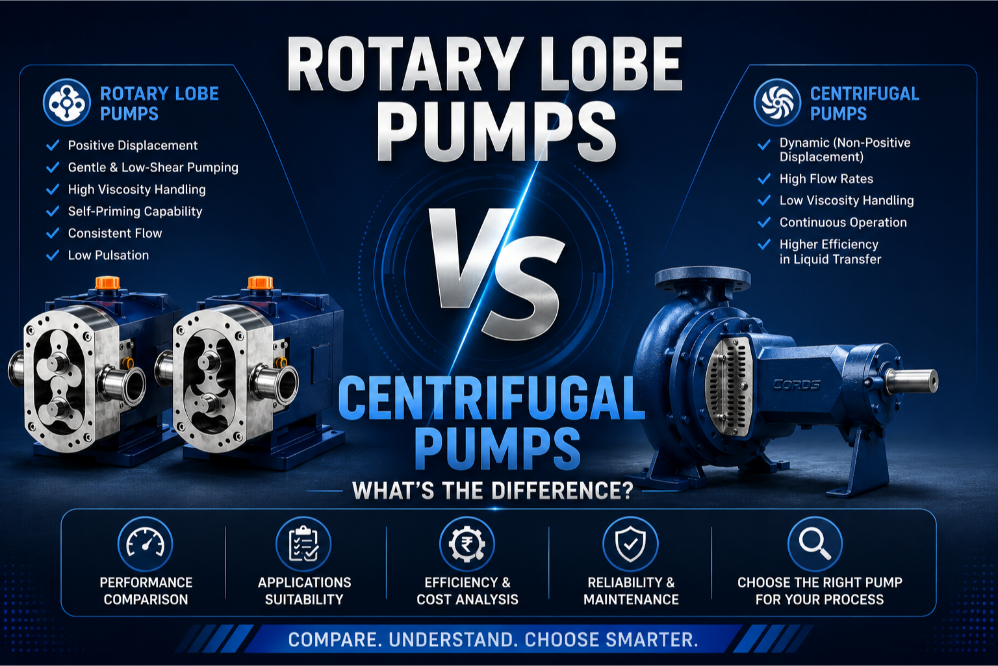
From food production to pharmaceutical manufacturing, rotary lobe pumps are used wherever products must be transferred safely, gently, and hygienically. Their ability to maintain a consistent flow while handling sensitive and high-viscosity fluids makes them suitable for industries where product quality cannot be compromised.
Unlike conventional pumps, rotary lobe pumps can transfer liquids containing soft solids, delicate particles, or viscous materials without causing excessive shear or damage. This versatility has made them one of the most trusted pumping solutions across hygienic processing industries.
Food & Beverage Processing Applications
Food and beverage manufacturers depend on rotary lobe pumps to transfer products while preserving their texture, consistency, and appearance. The gentle pumping action minimizes product degradation, making these pumps ideal for handling sauces, syrups, fruit preparations, chocolate, edible oils, beverages, and other food products that require careful processing.
Their hygienic stainless steel construction and compatibility with CIP and SIP cleaning systems also help manufacturers maintain food safety standards while reducing production downtime. As a result, rotary lobe pumps have become a preferred solution for modern food processing facilities focused on quality, efficiency, and regulatory compliance.
Dairy Processing Applications
The dairy industry requires pumping systems that can handle delicate products without affecting their composition or quality. Rotary lobe pumps are widely used for transferring milk, cream, yoghurt, butter, cheese curd, condensed milk, and other dairy products because they deliver smooth, low-pulsation flow while protecting sensitive ingredients.
Their sanitary design allows for thorough cleaning between production cycles, helping processors maintain hygienic conditions throughout manufacturing. This combination of gentle product handling and easy cleanability makes rotary lobe pumps an important component in modern dairy processing plants.
Pharmaceutical & Biotechnology Applications
Pharmaceutical and biotechnology facilities require precise fluid handling with minimal contamination risk. Rotary lobe pumps are commonly used to transfer liquid medicines, syrups, creams, gels, vaccine ingredients, and other sensitive formulations that demand accurate, hygienic, and repeatable processing.
Understanding the industries that use rotary lobe pumps is only part of selecting the right solution. To better understand the rotary lobe pump working principle, operating characteristics, and key selection factors, explore our complete guide to rotary lobe pumps before choosing a pump for your application.
Why Rotary Lobe Pumps Are Ideal for Hygienic Fluid Handling
Industrial processes often involve products that are sensitive to excessive pressure, turbulence, or contamination. In these environments, maintaining product quality is just as important as maintaining production efficiency. This is why rotary lobe pumps are widely chosen for hygienic fluid handling across food, dairy, pharmaceutical, cosmetic, and biotechnology industries.
Unlike conventional pumping technologies, rotary lobe pumps combine gentle product handling with sanitary construction and consistent flow performance. Their ability to transfer viscous, delicate, and particle-containing products without damaging their characteristics makes them a dependable solution for demanding production environments.
Gentle Handling of Shear-Sensitive Products
Many industrial products can lose their texture, consistency, or functional properties when exposed to excessive mechanical force during pumping. Rotary lobe pumps use a smooth positive displacement pumping action that minimizes shear while maintaining a steady product flow.
This gentle handling is particularly valuable for applications involving yoghurt, creams, sauces, fruit preparations, cosmetic emulsions, pharmaceutical gels, and other products where preserving product integrity is essential. By reducing unnecessary agitation, manufacturers can maintain consistent product quality from production to packaging.
CIP & SIP Compatibility for Sanitary Processes
Maintaining hygienic production standards requires equipment that can be cleaned efficiently without unnecessary downtime. Rotary lobe pumps are designed to integrate with Clean-in-Place (CIP) and Sterilize-in-Place (SIP) systems, allowing production lines to be cleaned thoroughly while minimizing manual intervention.
Combined with sanitary stainless steel construction and smooth internal surfaces, this design helps reduce contamination risks while supporting compliance with strict hygiene requirements in regulated industries. Efficient cleaning also contributes to higher productivity by shortening maintenance and sanitation cycles.
Handling High-Viscosity & Particle-Containing Fluids
One of the biggest advantages of rotary lobe pumps is their ability to transfer products that are difficult to pump using conventional technologies. They can handle thick, viscous, and particle-containing fluids while maintaining a controlled and consistent flow throughout the process.
Whether transferring honey, chocolate, creams, sludge, syrups, fruit pulp, cosmetic formulations, or specialty chemicals, rotary lobe pumps provide reliable performance across a wide range of operating conditions. Their versatility allows manufacturers to use a single pumping technology for multiple production processes, improving operational flexibility and reducing equipment complexity.
How to Select the Right Rotary Lobe Pump for Different Applications
Selecting the right rotary lobe pump requires more than comparing flow rates or connection sizes. Every application has unique operating conditions, fluid characteristics, and hygiene requirements that influence pump performance and long-term reliability.
By evaluating these factors before purchasing, manufacturers can improve process efficiency, reduce maintenance costs, and ensure the pump performs consistently throughout its service life.
Selecting Based on Fluid Viscosity
One of the first considerations when choosing a rotary lobe pump is the viscosity of the fluid being transferred. While some applications involve thin liquids such as beverages or liquid chemicals, others require pumping highly viscous products like honey, creams, chocolate, fruit pulp, cosmetic emulsions, or industrial pastes.
Selecting a pump designed for the correct viscosity range helps maintain stable flow, minimizes product degradation, and ensures efficient operation under varying process conditions. Matching pump performance to the product being handled also contributes to longer equipment life and lower operating costs.
Considering Flow Rate, Pressure & Product Characteristics
Flow rate and operating pressure play an important role in determining the correct pump size and configuration. However, buyers should also consider factors such as product temperature, solids content, shear sensitivity, and the required level of hygienic performance.
A well-matched rotary lobe pump provides accurate product transfer without excessive pulsation or unnecessary energy consumption. Evaluating these process conditions during the selection stage helps avoid oversizing, undersizing, and premature equipment wear.
Material Selection & Hygienic Standards
The materials used in a rotary lobe pump directly influence its durability, corrosion resistance, and suitability for different industries. Applications involving food, dairy, pharmaceuticals, and cosmetics typically require SS316 stainless steel construction to meet strict hygiene and cleaning requirements, while industrial processes may require specialized seals or elastomers depending on the fluid being handled.
Once you've identified the right specifications for your process, the next step is comparing available Rotary Lobe Pumps based on capacity, construction materials, hygienic design, and application suitability. Reviewing detailed technical specifications helps ensure you select a pump that delivers reliable performance for your industry today and as your production requirements grow.
Why Choosing the Right Rotary Lobe Pump Improves Process Efficiency
The performance of a production line depends on more than the quality of the product being manufactured. Selecting the right rotary lobe pump can improve process efficiency, maintain consistent product quality, reduce maintenance requirements, and support long-term operational reliability.
Whether you're handling dairy products, pharmaceutical formulations, cosmetic creams, food ingredients, or industrial chemicals, a pump that matches your application helps optimize productivity while reducing unnecessary downtime and operating costs.
Reducing Product Waste & Production Downtime
An incorrectly selected pump can lead to inconsistent flow, excessive product shear, frequent maintenance, and unnecessary production interruptions. These issues not only increase operating costs but can also affect product quality and delivery schedules.
Choosing a rotary lobe pump that is correctly matched to the application's viscosity, flow rate, and hygienic requirements helps improve process stability while reducing product waste. Reliable pumping performance allows manufacturers to operate more efficiently with fewer unplanned shutdowns.
Improving Product Quality & Long-Term Operational Reliability
Modern manufacturing facilities require equipment that delivers consistent performance over years of continuous operation. Rotary lobe pumps are designed to provide smooth, low-pulsation fluid transfer while minimizing internal wear and protecting sensitive products throughout the production process.
Their hygienic construction, positive displacement operation, and compatibility with CIP and SIP systems make them a dependable investment for industries that prioritize product quality, operational efficiency, and long-term reliability.
Explore Rotary Lobe Pumps Designed for Your Industry
Every industry has unique pumping challenges, from handling highly viscous food products to transferring sensitive pharmaceutical formulations and aggressive industrial chemicals. Selecting equipment designed specifically for these applications helps improve efficiency while supporting reliable day-to-day operation.
If you're ready to compare industrial Rotary Lobe Pumps for your application, explore Eagle Pumps' range of hygienic pumping solutions engineered for food, dairy, pharmaceutical, cosmetic, biotechnology, and chemical processing industries. You'll find detailed technical specifications, construction options, and performance information to help you select the right solution with confidence.
Ready to Select the Right Pump?
Our engineers can help you choose the correct rotary lobe pump model based on your fluid, flow, pressure, and hygiene requirements.
View EP Series